

The hidden threat to community colleges
By Brendan Doherty, Enterprise Sales Manager U.S.
Community colleges have always been built around accessibility, but that same accessibility is now being exploited by fraudsters – otherwise known as “ghost students.”
The higher education industry is seeing a wave of “ghost students” using fake or synthetic identities created with Generative AI that apply, enroll, and even receive financial aid or grants, without a real person ever showing up in a classroom under that name.
Across the U.S., this has specifically become a threat to community colleges. Reports suggest hundreds of thousands of fake applications are being submitted each year, costing institutions and taxpayers millions in stolen financial aid.
Why community colleges are especially at risk
The shift to online and hybrid enrollment since the start of 2020 has made it easy for fraudsters to commit these crimes, no longer needing to prove their identity in person. Industry data shows that community colleges have been disproportionately targeted by fraudsters.
In 2023 it was reported that 20 percent of community college applications in California in the previous year (~460k) were fraudulent. Today, it’s reported that ‘ghost students’ have been responsible for stealing $1B in aid.
The core weaknesses in the admissions process:
- Manual identity verification: Open-access admissions mean identity checks are often minimal or manual.
- Remote and hybrid applications: Since the pandemic, more applications are being submitted online without in-person verification, in turn increasing the opportunity for fraud.
- Outdated systems: Legacy admissions portals weren’t designed to detect AI-generated or manipulated documents that can outsmart the human eye.
- Attractive funding sources: Fraudsters know financial-aid disbursements can be processed quickly once enrollment is confirmed.
The result?
- Real students miss out on financial aid disbursed to fraudsters.
- Fraudulent loan and grant applications slipping through unnoticed.
- Staff resources and time wasted on reviewing false identity documents instead of processing real students
What needs to change
Stopping ghost students and financial aid fraud doesn’t mean locking the gates, but rather modernizing how community colleges verify identities from applications.
This starts with:
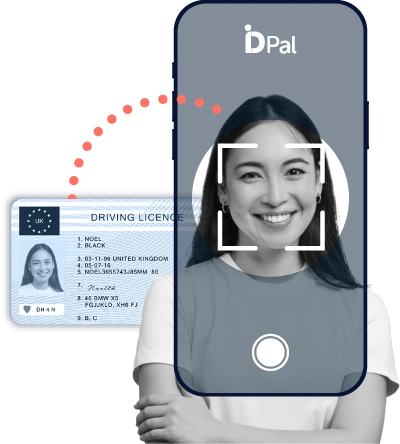
- Digital identity verification that confirms both the document is real and the person presenting their ID is its rightful owner.
- AI document fraud detection to detect digitally manipulated IDs and presentation attacks.
- Seamless integration with existing systems to keep processes fast and efficient and keep costs low.
With these tools, community colleges can seamlessly process new student applications while saving staff time and resources without worrying about whether the student at hand is real or a fraudster.
The opportunity ahead
Community colleges are at a crossroads: secure their digital admissions processes from fraud or continue to risk millions in lost aid and damaged data integrity.
The good news? These institutions are also perfectly positioned to lead the way.
AI-driven fraud isn’t slowing down, but with intelligent identity verification and functionality like ID-Detect to spot AI document fraud, the next generation of students can start their education without a fraudster taking their place.
ID-Pal’s technology-first solution helps community colleges protect financial aid, automate identity verification and focus time on genuine applications to ensure real students are filling seats in the classroom.