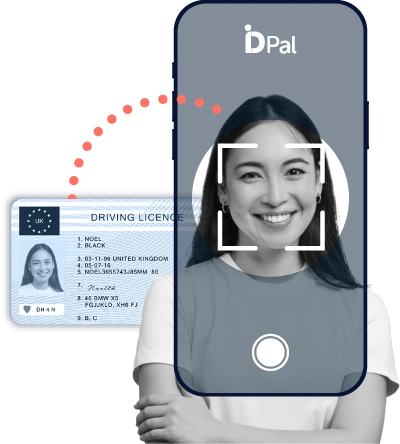


In the world of finance, regulatory compliance is paramount, especially when it comes to Know Your Customer (KYC) protocols. KYC procedures are designed to prevent financial institutions from being used for money laundering, terrorist financing, or other illicit activities.
However, traditional KYC processes have often been cumbersome, time-consuming, and prone to human error. With the advancement of technology, financial institutions are now able to streamline their KYC compliance processes, making them more efficient, accurate, and cost-effective.
Table of contents
The shift away from manual KYC
For a long time, KYC processes were handled through manual checks, paperwork, and a fair amount of back-and-forth. That approach worked when customer volumes were lower and compliance demands were less intense. Now, it’s a different story. Businesses are onboarding customers across multiple channels, often in real time, and manual processes simply can’t keep up without slowing everything down or introducing risk.
At the same time, regulatory expectations have tightened. Organisations are expected to carry out thorough checks, maintain clear audit trails, and respond quickly to emerging risks. Falling behind doesn’t just create operational headaches, it can lead to serious compliance issues. The pressure is coming from both sides too. Customers expect fast, frictionless onboarding, while regulators expect deeper scrutiny and ongoing monitoring.
This is where automation and modern technology start to make sense. Instead of relying on fragmented systems and manual intervention, businesses are moving towards integrated KYC processes powered by APIs and digital tools. These systems can connect data sources, run checks in seconds, and support continuous monitoring without adding extra strain on internal teams. It’s a shift that allows companies to keep pace with demand while maintaining a level of control that manual processes struggle to deliver.
Scale KYC compliance globally with ID-Pal
What is eKYC and how does it differ to KYC?
Know Your Customer checks can be completed both online and in-person, whereas eKYC checks are exclusively electronic.
There are no great differences between the two other than that. Both include a set of procedures to verify a customer’s identity against the available database of records and watchlists. This comes before accounts are allowed to be opened and approved to conduct transactions in the systems with banks and other financial institutions. KYC and eKYC are first and foremost in place to protect both financial institutions and their customers, also aiding in tracking funds being introduced into the economy based on who and where it comes from.
With the drastic digitisation of processes post-Brexit and COVID-19, businesses are pressured to keep up with the change and stay ahead of the curve. Customers expect to experience simple and efficient processes in today’s always-on world. Companies are adopting remote verification and automated processes in order to provide a seamless onboarding experience.
While KYC checks have sometimes taken weeks to complete, eKYC is the digital and remote transposition of the traditional KYC process, taking just seconds with a lower cost in an optimised process. With the correct documentation at hand, eKYC verification can be completed immediately and smoothly, with businesses increasing their conversion rate leading to greater customer
| Aspect | Traditional KYC | eKYC |
|---|---|---|
| Process type | Manual or in-person | Fully electronic and remote |
| Speed | Days or weeks | Seconds or minutes |
| Cost | Higher (manual handling, physical checks) | Lower (automated verification) |
| Convenience | Requires presence or physical documents | Accessible anywhere, anytime |
| Technology used | Limited to human review | AI, facial recognition, and digital databases |
What is KYC automation?
Companies who have avoided introducing automated client onboarding cite a combination of concerns. These include cost implications, integration with their legacy system/s, downtime and loss of data. This might have been the case historically, but should no longer be a barrier. They are misconceptions that create apprehension and prevent businesses from achieving growth and delivering exceptional customer experiences.
The truth is, integrating automated client onboarding software into your existing systems, however disparate, is not an issue. Software solutions are powered by clever API and AI technology to automate routine tasks that are a drain on many a compliance team.
Customers, whether individuals (KYC) or companies (KYB) are now prepared to wait days, or even weeks, for the onboarding verification to be completed. We live in a ‘deliver now and deliver once’ world. People expect instant responses to their applications and are no longer prepared to give their data multiple times just to satisfy the protocols of manual KYC processes.
Automation doesn’t just apply to onboarding tasks. The technology can be used throughout the whole customer lifecycle and the Customer Due Diligence process. To continue to comply with the demands of the regulators, regulated entities need to have ongoing monitoring in place. Data goes out of date very quickly – virtually overnight – so clean results can only be guaranteed if you have access to a solution that can provide real-time reporting.
Failure to comply, with the prospect of punitive fines from the regulator for failing in your AML obligations, has been enough to drive many from a manual process.
Recent events between Russia and Ukraine have shown the need to identify Ultimate Beneficial Owners (UBOs) of businesses. PEPs and Sanctions checks are essential for any company dealing with individuals or companies. Without automation providing easy updates and real-time monitoring, important data changes can easily be missed and allowed to remain undetected for many months. Any such breach would be frowned upon by the regulators, and subsequent fines would be inevitable.
With the advent of the 6th Anti-Money Laundering Directive (6AMLD), companies and their officers can no longer hide behind the claim that “they didn’t know anything about it!”. The onus now is for businesses to be held accountable for ensuring compliance. So, for the authorities, it’s not just catching those committing a crime but identifying anyone abetting or allowing the crime to happen, whether by design or ignorance of the act.
Key technologies powering KYC automation
Automated data collection and verification: Technology enables the automation of data collection from various sources, including government databases, public records, and third-party providers. This automation significantly reduces the manual effort required for gathering customer information, such as identification documents, addresses, and financial records. Moreover, advanced algorithms can verify the authenticity of these documents, ensuring compliance with regulatory standards.
Artificial Intelligence and machine learning: AI and machine learning algorithms can analyse vast amounts of data in real-time to detect suspicious activities or inconsistencies. By establishing patterns and identifying anomalies, these technologies enhance the accuracy of KYC compliance, flagging potentially high-risk customers for further investigation. Additionally, AI-driven systems continuously learn and adapt to evolving regulatory requirements, improving their effectiveness over time.
Biometric authentication: Biometric authentication methods, such as facial recognition, fingerprint scanning, and voice recognition, offer a secure and convenient way to verify customers’ identities. By incorporating biometric data into KYC processes, financial institutions can mitigate the risk of identity theft and impersonation fraud. Furthermore, biometric authentication enhances the user experience by eliminating the need for cumbersome passwords or physical tokens.
RegTech solutions: Regulatory technology, or RegTech, encompasses a range of software applications designed to assist financial institutions in meeting compliance requirements efficiently. These solutions often integrate with existing systems to automate regulatory reporting, monitor transactions for suspicious activities, and streamline audit processes. By leveraging RegTech solutions, organisations can reduce compliance costs, minimise regulatory risks, and allocate resources more effectively.
How to replace manual onboarding with automated KYC
The first question you should ask yourself is: “What tasks do I want to automate?”
There will be tasks that are repetitive and time-consuming and can be delivered without human intervention. Automating these with software platform will allow your team to free up their time to focus on the more complex cases.
At ID-Pal, we partner with customers and support them through the design and build phase of their tech setup. With a choice of over 600 ‘rules’ businesses can select a unique set of rules that are matched to their risk appetite.
With a period of testing and access to any training, businesses can be up and running far quicker than they had imagined. Efficiency improvements are immediate, and the speed of onboarding is reduced to minutes rather than days, immediately.
From an easy-to-deploy app to provide identity verification for ease of onboarding, KYC onboarding and monitoring for AML; to intuitive dashboards to monitor cases in real-time and provide data insight and reporting, there is a range of KYC automation tools available to businesses.
Modern facial and audio recognition software, biometric and liveness checking, as well as remote document verification techniques, lend themselves perfectly to the onboarding process, speeding it up and shaving the time down from weeks to days or even hours. All of which can be achieved with total confidence, and with an audit trail that fully satisfies the regulators.
The benefits of KYC automation
Automating KYC processes transforms the way businesses handle onboarding and compliance. One of the most immediate impacts is speed. Automated systems can verify identities, screen against sanctions lists, and flag risks in a fraction of the time manual processes take. This means customers spend less time waiting and more time engaging with your services, which helps build trust from the very start.
By shortening the time between an enquiry to ultimate purchase, by significantly reducing the time taken to accurately identify the applicant, revenue streams can be achieved much quicker. This reduces your cost-per-sale and enables your teams to concentrate on the next opportunity, increasing the number of sales that can be achieved in the same timescale.
Reducing the reliance on manual checks also frees up internal teams from repetitive tasks. Compliance staff can focus on handling exceptions and higher-risk cases instead of chasing paperwork or double-checking forms. This not only cuts down on operational bottlenecks but also reduces the chance of human error creeping into critical decisions.
Compliance costs are also positively impacted too. By streamlining checks and centralising data, businesses can maintain thorough records without the overhead of extra staff or complex manual workflows. Automated systems can also reduce false positives by cross-referencing multiple sources quickly and consistently, which avoids unnecessary follow-ups and interruptions for legitimate customers.
Ultimately, this approach makes the customer experience smoother. Faster approvals, fewer unnecessary verification steps, and fewer errors all contribute to a more seamless interaction. Customers feel confident that their information is handled accurately, while businesses maintain a higher level of control over compliance obligations. In practical terms, automation makes KYC not only more efficient but also more reliable and user-friendly.
KYC automation FAQs
What is KYC automation?
KYC automation is the use of technology to handle identity verification, document checks, and risk screening without heavy manual input. It streamlines the onboarding process, speeds up verification, and reduces errors, making compliance more consistent and less resource-intensive for businesses.
How does KYC automation benefit customers?
For customers, automated KYC means faster onboarding, fewer repetitive requests for documents, and a smoother overall experience. Verification checks happen in seconds rather than days, which reduces friction and makes interactions with financial or telecom services feel seamless and reliable.
What role do APIs play in KYC automation?
APIs connect internal systems with external data sources, allowing KYC checks to happen automatically. They can pull identity records, validate documents, and screen against global sanctions lists in real time, which keeps processes efficient while maintaining compliance standards.
Can automation reduce false positives?
Yes. Automated systems can cross-reference multiple sources and apply consistent rules, which reduces the number of false alerts compared to manual screening. This helps compliance teams focus on genuine risks and prevents unnecessary delays for legitimate customers.
Which industries benefit most from automated KYC?
Financial services and fintech companies are obvious candidates, but telecoms, gaming, and any platform handling digital payments also gain from automated KYC. Anywhere there’s high customer volume, regulatory scrutiny, or risk of identity fraud, automation makes processes faster and more reliable.
How can businesses start implementing KYC automation?
Starting with KYC automation usually involves reviewing existing workflows, identifying repetitive tasks, and introducing tools that integrate with current systems. Many businesses begin with API-driven identity checks and document verification, then expand into continuous monitoring and risk scoring as the system matures.