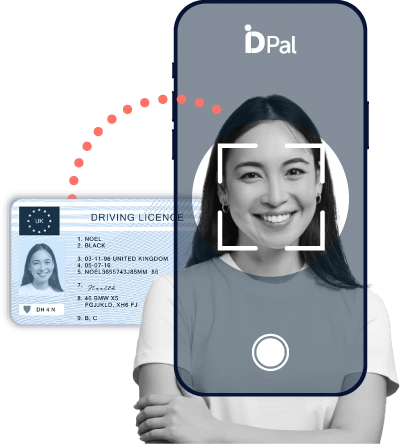


A passport can look convincing. A selfie can appear genuine. Even a video call can show a familiar face. But how can organisations be sure the person behind an application is who they claim to be?
That was the central question explored in our recent webinar on synthetic identity fraud, featuring Sarah Smythe, Head of Compliance at Sentient International, and Andrew Marshall, barrister specialising in litigation and private prosecutions, alongside host Rob O’Farrell.
The discussion explored how fraudsters are combining genuine and fabricated information to create convincing identities, how AI is changing the threat landscape and what organisations can do to strengthen their approach to identity verification.
Here are six key takeaways from the conversation.
Synthetic identities are becoming harder to recognise
One of the biggest challenges with synthetic identity fraud is that an identity does not have to be completely fabricated to be fraudulent. Fraudsters can combine genuine personal information with false details, creating an identity that appears credible at first glance. This makes it harder for organisations to identify inconsistencies through traditional checks alone
The webinar audience recognised this challenge too. In a poll, 56% identified fraudsters combining genuine and fabricated identity information as a leading vulnerability. Sarah highlighted how publicly available information can make this problem more complicated.
Social media profiles and online activity can help organisations understand more about an individual, but they can also be used to construct convincing fake identities.
The takeaway? Information that looks credible is not necessarily trustworthy. Organisations need to consider where information comes from and whether it can be independently corroborated.
A convincing document doesn’t mean a genuine identity
One of the most striking examples Andrew shared involved a suspected false claimant in a cryptocurrency wallet recovery case. The individual had submitted documents that initially appeared convincing.
However, when Andrew and his team looked more closely, several details did not make sense. These included inconsistencies in the language used in screenshots and information within an employment contract that did not fit the wider circumstances. It was not one obvious mistake that raised concerns. It was the combination of details that failed to tell a consistent story.
This illustrated an important point: identity verification should not stop at checking whether a document looks genuine. Organisations need to consider whether the information within it makes sense alongside everything else they know about the individual. As Rob emphasised during the discussion: “If you’ve gotten to the point where you’re relying on the human eye alone, you’re too late.”
AI is changing what organisations need to look out for
Organisations also need to think about situations where they rely on a video call to establish someone’s identity. Sarah also discussed how individuals may use online information to create believable backstories. A profile, employment history or apparent digital footprint should not automatically be treated as proof.
The key takeaway is that organisations cannot rely on appearance alone. They need to be aware of how AI can be used to create convincing representations of people and consider what independent evidence supports the identity being presented.
The whole picture matters more than individual checks
A recurring theme throughout the webinar was the importance of looking at identity information collectively. Sarah shared examples from onboarding where details such as nationality, stated residence, location during an online call and an individual’s backstory did not align.
When questions were raised, further inconsistencies emerged. These situations demonstrate why organisations need to look beyond individual pieces of information and consider whether the complete picture makes sense.
Rob summed this up particularly well: “You can’t deal with things in isolation anymore. You have to take the whole picture, all the information you have, put it all together, and see, does it all make sense?”
This is especially important when seemingly small inconsistencies appear across different sources. One discrepancy may have a perfectly reasonable explanation. Several discrepancies, considered together, may indicate that further investigation is needed.
The takeaway is simple: don’t just check whether the information is present. Consider whether it is consistent, credible and supported by other evidence.
Identity verification shouldn’t end at onboarding
Another important point from the discussion was that identity risk does not disappear once someone has successfully opened an account. An individual’s identity details may be misused, an account may become compromised, or activity may change in ways that warrant further investigation.
The webinar explored examples of unusual account behaviour, including changes to banking details and inconsistencies in personal information.
These can be important signals when considered alongside the wider customer relationship. Organisations should therefore think about how they maintain confidence in an identity after onboarding through customer monitoring, particularly when customers carry out significant transactions or request important changes.
The objective is to recognise when something has changed and when additional reassurance is appropriate.
Knowing when to look closer is just as important as the checks themselves
A final theme was the balance between effective fraud detection and a positive customer experience. Organisations need to make verification processes efficient, but speed should not come at the expense of confidence. Equally, adding unnecessary checks to every interaction can create friction for genuine customers.
Sarah offered a useful reminder about the importance of investigating concerns rather than simply accepting the information presented: “If you’re concerned, obviously, dig deeper. Don’t just accept what you actually receive. If you’ve got any concerns, you need to do that extra background check around them.”
This reinforces the value of combining technology, reliable information and human judgement. Automated checks can help identify potential issues, while experienced reviewers can investigate cases where the evidence does not quite add up. The important thing is having a process that allows organisations to recognise when a straightforward verification is enough – and when a closer look is needed.
Looking beyond the document
The webinar highlighted just how much the identity fraud landscape is changing. Synthetic identities, AI-generated content and increasingly convincing impersonation techniques mean that organisations need to think differently about what it means to establish trust.
The biggest lesson was not that every application should be treated with suspicion, or that one additional check will solve the problem. It was that identity verification needs to consider the whole picture.
From the information provided and the person presenting it to the consistency of their identity over time, every part contributes to a more informed decision.
Ultimately, as the discussion made clear, don’t just verify the document. Consider the whole identity.
To explore the discussion in more detail, watch the full webinar or find out how ID-Pal supports organisations with secure digital identity verification.