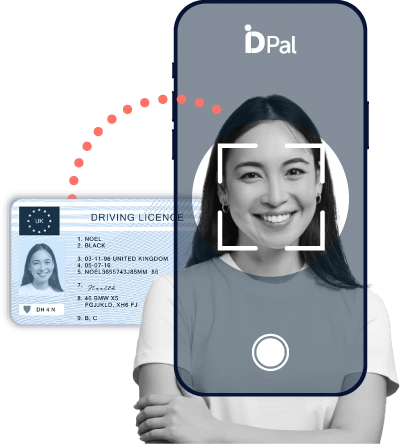
A KYC check (Know Your Customer check) is the process a business uses to verify a customer’s identity and assess the risks associated with establishing or maintaining a business relationship with them.
KYC checks are a key part of anti-money laundering (AML) compliance. They help regulated businesses confirm who their customers are, identify potential financial crime risks and meet their customer due diligence obligations.
A KYC check is usually carried out when a customer first applies for an account or service. Further checks may also be required throughout the relationship as part of ongoing monitoring.
How does a KYC check work?
A KYC check involves collecting and verifying information about a customer to establish their identity and assess their risk profile.
The exact checks depend on the business, the type of customer and the level of risk involved. They may include:
- Identity verification: Checking identity documents and biometric information to confirm that a customer is who they claim to be.
- Address verification: Checking information to establish a customer’s residential address.
- Document verification: Assessing identity documents for signs of alteration, forgery or inconsistencies.
- PEP screening: Checking whether a customer is a politically exposed person or has relevant connections to one.
- Sanctions screening: Checking customers against applicable sanctions lists.
- Adverse media screening: Reviewing relevant negative news that may indicate financial crime or reputational risk.
- Risk assessment: Using the information collected to determine the appropriate level of customer due diligence.
The results help businesses decide whether a customer can be onboarded, needs further checks or should be referred for manual review.
Make KYC checks faster with ID-Pal
Why is a KYC check important?
A KYC check helps businesses reduce the risk of financial crime, identity fraud and entering into relationships with individuals who may present a higher level of risk.
It also helps compliance teams meet regulatory requirements by providing a record of the checks carried out and the decisions made during customer onboarding.
Without an effective KYC process, businesses may struggle to verify customers consistently, identify suspicious activity or demonstrate that appropriate due diligence has taken place.
An efficient process can also reduce unnecessary delays for genuine customers by making routine checks faster and giving teams a clearer view of cases that need attention.
KYC checks and AML compliance
KYC is a central part of AML compliance. It helps businesses understand who they are dealing with, assess the risks associated with a customer and apply the appropriate level of due diligence. Under a risk-based approach, customers may be subject to different levels of checking:
- Customer Due Diligence (CDD): Standard checks to establish a customer’s identity and assess their risk.
- Simplified Due Diligence (SDD): Reduced checks where permitted and where the customer presents a lower level of risk.
- Enhanced Due Diligence (EDD): Further checks for customers or relationships that present a higher level of risk.
KYC checks may also form part of ongoing monitoring, helping businesses identify changes in customer information or risk over time.
KYC checks and identity verification
Identity verification is one part of a wider KYC check. It focuses on confirming that a customer is who they claim to be, often by checking identity documents and using biometric technology. KYC covers a broader set of activities, including customer information gathering, risk assessment and relevant screening checks.
Automated identity verification can help businesses complete this part of the process more quickly, reduce manual document reviews and give compliance teams more time to focus on cases that need further investigation.