
The Verification Blind Spot: How fraudulent identities are infiltrating your onboarding process
Fraudsters are finding increasingly sophisticated ways to introduce manipulated identity data into verification processes. From deepfakes to injection and presentation attacks, could your business be missing the signs?
- Wednesday 27 January 2027 | 10am GMT

Moderated by:
Robert O’Farrell,
CTO at ID-Pal
IDV & Biometrics Expert
Could fraudulent data already be entering your verification pipeline?
Find out how fraudsters target the verification process, why traditional checks can miss manipulated identity data and what these hidden threats mean for your business.

Finding your blind spot
Fraudulent identity data can enter your pipeline before a verification check even begins. Manipulated images, synthetic media and altered identity information can be difficult to spot, leaving your business exposed before you even know there’s a problem.

The attacks hiding in plain sight
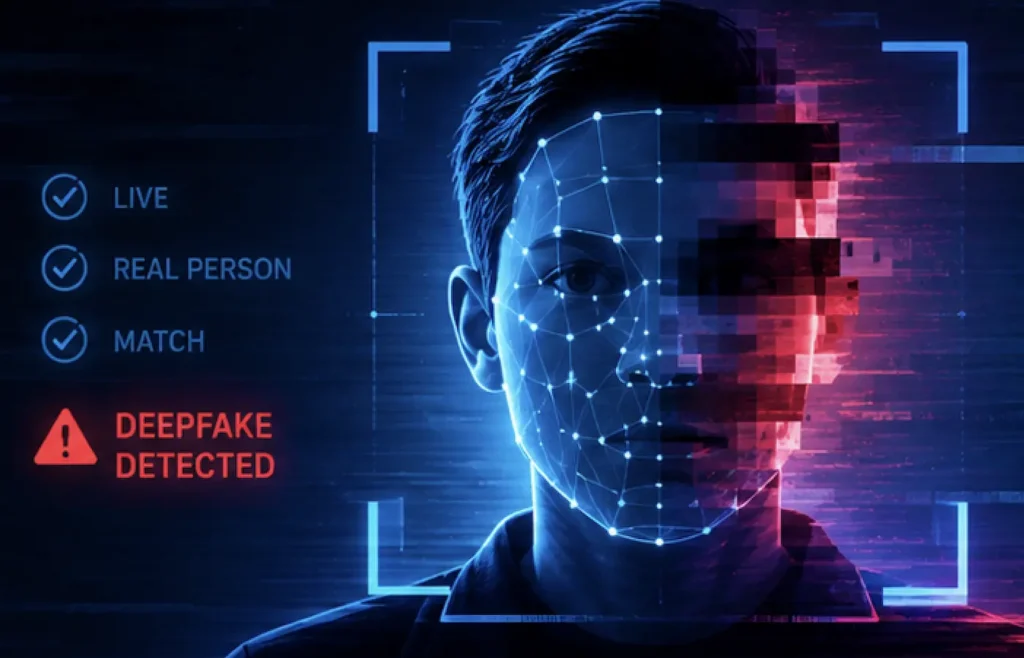
Deepfakes, virtual cameras, replay attacks and physical presentation attacks are making it harder to tell genuine identities from fraudulent ones. When these attacks go undetected, fraudsters can get past checks that businesses rely on to protect them.
The cost of looking the other way
Traditional verification checks can leave gaps that fraudsters are quick to exploit. Missed threats can lead to financial losses, compliance risks and damage to customer trust, while adding too much friction can drive genuine customers away.
What we'll cover:
Fraudsters are exploiting weaknesses in identity verification processes, using increasingly sophisticated methods to manipulate the information businesses rely on to verify customers.
From presenting fake identities to injecting synthetic images and video directly into digital verification workflows, these attacks can undermine trust in onboarding processes and expose businesses to fraud, financial loss and compliance risks.
Join our panel of experts as they explore how fraudulent data enters verification pipelines, the techniques behind modern attacks and the technologies helping businesses detect and prevent them.
- How fraudulent data enters your pipeline: The different methods fraudsters use to introduce manipulated images, videos and identity information into verification workflows.
- The evolving attack landscape: How deepfakes, face swaps, virtual cameras, replay attacks and other manipulation techniques are being used to deceive identity verification systems.
- Building stronger fraud defences: How layered detection, biometric verification and a reliable chain of trust can help identify suspicious activity and prevent fraudulent data from entering your systems.
- Expert insights: Practical perspectives on emerging attack methods, the weaknesses fraudsters exploit and what businesses can do to strengthen their verification processes.