Ghost student fraud is a type of identity fraud where someone uses a false, stolen or fabricated identity to enrol at an educational institution and obtain benefits associated with being a genuine student. The term is particularly relevant to universities, colleges and education providers that need to verify the identity and eligibility of applicants before enrolment.
How does ghost student fraud work?
A fraudster may use another person’s identity, create a synthetic identity or submit altered documents to appear eligible for enrolment. Once accepted, they may use their student status to access benefits or services, such as student finance, accommodation, visas or other financial support. In some cases, the individual may have no intention of studying. The objective is to obtain the financial or other benefits linked to student status.
Why is ghost student fraud a concern?
Ghost students can create financial and operational costs for education providers and government bodies. Fraudulent applications can also put pressure on admissions and compliance teams, which may need to investigate applications manually when information doesn’t match or documents raise concerns. For institutions subject to identity, fraud or AML-related obligations, weak identity verification can also create wider compliance and reputational risks.
How can identity verification help?
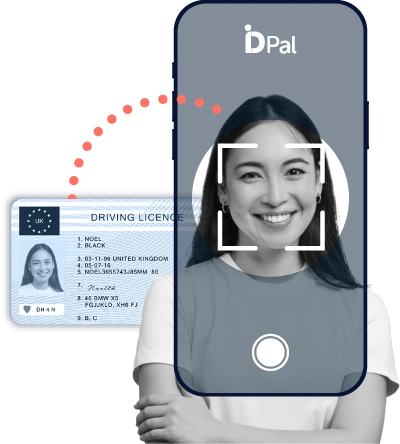
Strong identity verification at the point of application can help institutions establish that an applicant is a real person and that the identity information provided belongs to them. Technology can support this by checking identity documents, comparing information across verification checks and using biometric verification where appropriate. This can reduce reliance on manual document reviews while allowing genuine applicants to move through the onboarding process more efficiently.
Prevent ghost student fraud at enrolment
Ghost student fraud and identity verification
For education providers, the challenge is finding the right balance between preventing fraudulent applications and keeping legitimate applicants moving. An effective ID&V process can help identify applications that need further investigation without adding unnecessary friction to every applicant. It also gives admissions and compliance teams a clearer basis for making identity-related decisions.
FAQs about ghost student fraud
Is ghost student fraud the same as identity theft?
Not always. Ghost student fraud can involve identity theft, but it can also involve fabricated or synthetic identities. The defining feature is the fraudulent use of an identity to obtain student status or associated benefits.
How can universities and colleges prevent ghost student fraud?
Universities and colleges can strengthen their application and enrolment processes with identity verification, document checks, biometric verification and appropriate fraud screening. Controls should be proportionate to the institution’s risk profile and the applicant journey.
Why is identity verification important for preventing ghost students?
Identity verification helps establish that an applicant is a genuine person and that the identity presented during the application process is legitimate. This can make it harder for fraudulent applicants to use stolen, altered or fabricated identities.