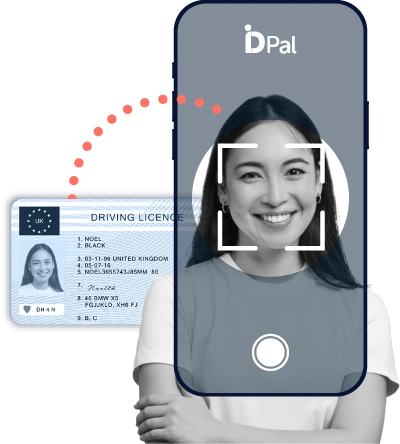


What does Know Your Customer (KYC) mean?
KYC is the process businesses use to identify and verify customers. Its purpose is to reduce financial crime risk, including fraud, money laundering, and identity theft.What is KYC in practice?
The KYC process typically includes: Customer identification: Collecting core details such as name, address, date of birth, and contact information. Document verification: Validating identity documents (passport, driver’s licence, national ID). Address verification: Confirming residency using documents such as utility bills or bank statements. Risk assessment: Evaluating customer risk based on activity, geography, and source of funds. Enhanced due diligence (EDD): Applying deeper checks for higher-risk individuals, such as PEPs. Ongoing monitoring: Continuously reviewing activity and updating risk profiles.Why do businesses need to do KYC checks?
KYC forms part of broader due diligence and AML checks. It ensures customers are who they claim to be and helps detect warning signs of financial crime. Core objectives of KYC:- Identify the customer
- Verify their true identity
- Understand their activities and source of funds
- Monitor behaviour over time
- Adverse media exposure
- Legal or financial events
- Credit changes
- Ownership or director changes