Account takeover (ATO) is a type of fraud where a criminal gains unauthorised access to a legitimate customer’s account and uses it for their own benefit. The attacker may use stolen credentials, compromised personal information, phishing or other methods to gain control. Account takeover can affect banks, fintechs, e-commerce businesses, online platforms and other organisations that manage customer accounts.
How does account takeover happen?
An attacker may obtain a customer’s username and password through phishing, data breaches, malware or credential stuffing. They may also use personal information gathered from other sources to bypass account security or impersonate the legitimate customer. Once access has been gained, the fraudster may change account details, make transactions, access sensitive information or use the account to carry out further fraudulent activity.
Why is account takeover a concern?
ATO can result in financial losses, compromised customer information and significant operational costs for businesses investigating and recovering affected accounts. It can also damage customer trust, particularly when attackers gain access to accounts containing financial or personal information. For regulated firms, account takeover can create wider fraud, financial crime and compliance concerns, particularly where compromised accounts are subsequently used for suspicious transactions or other illicit activity.
Common signs of account takeover
Suspicious activity can include:
- Login attempts from unusual locations or devices
- Sudden changes to personal or contact information
- Unexpected password or authentication changes
- Unusual transaction or account activity
- Multiple failed authentication attempts
- Changes to payment or withdrawal details
- Behaviour that differs significantly from the customer’s normal activity
No single indicator necessarily means an account has been compromised. Multiple signals can provide a stronger basis for further investigation.
How can businesses prevent account takeover?
A layered approach can help reduce the risk of ATO. This may include strong authentication, device and behavioural monitoring, fraud detection, identity verification and checks when customers make high-risk account changes. Identity verification can be particularly useful when a customer needs to recover an account, change sensitive information or complete a high-risk action. Re-verifying the person’s identity can provide additional confidence that the genuine account holder is making the request.
Protect your customers from account takeover
Account takeover and identity verification
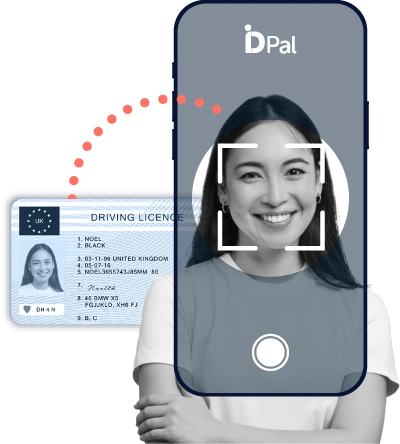
ID&V can play a role in preventing and responding to account takeover by helping businesses establish that a person is who they claim to be. For example, an organisation may require a customer to complete identity verification when recovering an account or when activity triggers a higher level of risk. Document verification, biometric checks and other identity signals can then be assessed as part of the wider fraud decision.
FAQs about account takeover
What is an example of account takeover?
An example would be a fraudster obtaining a customer’s login credentials, accessing their account and changing the contact or payment details before attempting to make fraudulent transactions.
Is account takeover identity theft?
Account takeover and identity theft are related but different. Identity theft involves using someone else’s personal information, while account takeover specifically involves gaining unauthorised control of an existing account. Identity theft can be one way an attacker gains access.
How can identity verification help prevent ATO?
Identity verification can help confirm that the person requesting access or making a high-risk account change is the legitimate customer. It can be used alongside authentication, behavioural monitoring and other fraud controls.
Can account takeover be completely prevented?
No security or fraud prevention measure can eliminate the risk entirely. A layered approach combining authentication, monitoring, identity verification and fraud detection can help reduce the likelihood and impact of account takeover.