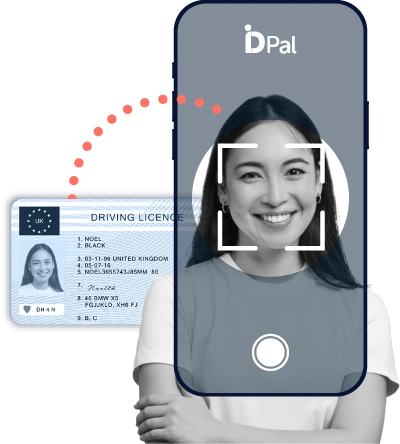
Identity fraud is the use of another person’s personal information or identity documents to deceive an organisation for financial gain, criminal activity or to gain access to products and services.
Criminals may steal, buy or create identity information to open bank accounts, apply for loans, access regulated services or conceal their true identity. Identity fraud can involve using genuine documents that belong to someone else, altering legitimate documents or creating convincing counterfeit identities.
Identity fraud can take many forms, depending on the information available to a fraudster. Common examples include:
- Using stolen passports, driving licences or national identity cards
- Creating counterfeit identity documents
- Altering genuine documents to change personal information
- Using stolen personal data to impersonate another individual
- Creating synthetic identities using a combination of genuine and fabricated information
- Taking over legitimate customer accounts using compromised credentials
Fraudsters may obtain personal information through phishing attacks, data breaches, social engineering, stolen mail or purchases on criminal marketplaces.
Why does identity fraud matter for AML compliance?
Identity fraud allows criminals to bypass customer due diligence (CDD) processes and gain access to financial products and regulated services under a false identity. If fraudulent identities are not detected during onboarding, organisations may unknowingly facilitate money laundering, terrorist financing, sanctions evasion or other forms of financial crime. For compliance teams, preventing identity fraud helps to:
- Strengthen customer due diligence
- Reduce financial crime risk
- Meet regulatory obligations
- Protect customers from identity theft
- Reduce operational losses caused by fraudulent accounts
What does identity fraud mean for compliance teams?
As fraud techniques continue to evolve, identity fraud remains one of the biggest challenges facing regulated firms.
Modern identity verification software helps compliance teams reduce manual reviews, improve consistency and detect fraudulent identities earlier in the onboarding process. Combined with risk-based AML controls and ongoing monitoring, it enables organisations to make more informed customer onboarding decisions while maintaining a clear audit trail.