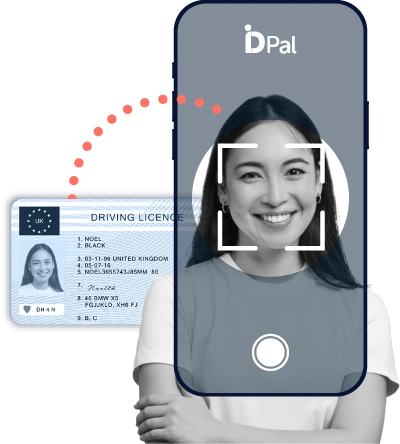
Injection attacks are attempts to interfere with a digital system by feeding it manipulated, fabricated or unauthorised information. In identity verification and fraud prevention, this can mean introducing altered documents, images, video or other data into a verification process to make fraudulent information appear genuine.
The goal is usually to bypass a security or identity check without directly attacking the underlying system. Instead, the fraudster manipulates what the system receives and tries to make it accept that input as legitimate.
How do injection attacks work?
An injection attack can happen when a fraudster introduces manipulated information into a digital verification process. For example, they might submit an altered identity document, feed a pre-recorded video into a biometric check or use modified digital data instead of information captured directly from the customer. These attacks can be difficult to spot because the information being presented may look legitimate at first glance. The attack focuses on compromising the input being assessed rather than simply submitting obviously false information.
Why do injection attacks matter for fraud prevention?
Injection attacks can allow fraudsters to bypass identity verification and create accounts using information that does not accurately represent the person applying. This can support identity fraud, account creation using synthetic identities and other forms of financial crime. For fraud teams, the challenge is working out whether the information being presented came from a genuine customer interaction or has been manipulated before it reached the verification system.
What do injection attacks mean for AML compliance?
Injection attacks can create AML risk when they allow criminals to pass customer due diligence checks using manipulated identity information. If the wrong person is accepted as a customer, a business may have an inaccurate understanding of who it is dealing with and the associated level of risk. This makes injection attacks relevant to AML controls that rely on digital identity verification. Detecting manipulation at the point of verification can help prevent fraudulent identities from entering the customer base in the first place.
Injection attacks and identity verification
Identity verification systems need to assess more than whether the information provided appears valid. They also need to consider how that information was captured and submitted.
Injection attack detection can help identify signs that a document, image, video or other input has been introduced or manipulated during the verification process. This adds another layer of protection alongside document checks, biometric verification and other fraud controls.