Machine Learning (ML) is a type of artificial intelligence (AI) that allows systems to learn from data, identify patterns and improve how they make decisions over time without being manually programmed for every scenario.
Instead of following a fixed set of instructions, machine learning models analyse large amounts of information to recognise trends, make predictions and support more efficient decision-making.
In compliance and identity verification, machine learning is used to help organisations assess information faster, identify unusual activity and improve the accuracy of automated checks.
For example, during a customer onboarding process, machine learning can analyse different data points such as identity documents, customer behaviour, verification results and historical patterns to help determine whether information appears consistent or requires further review.
What is machine learning in an AML compliance context?
For AML and compliance teams, machine learning can help manage the growing complexity of customer due diligence, identity verification and ongoing monitoring. As firms handle more customers, regulations and data sources, manual processes can become difficult to scale. Machine learning helps teams process information more efficiently while allowing compliance professionals to focus their time on cases that require deeper investigation. Within AML processes, machine learning can support teams by:
- Reviewing large volumes of customer data more efficiently
- Identifying patterns that may require additional investigation
- Reducing time spent on repetitive compliance tasks
- Supporting more consistent risk assessments
- Helping teams manage growing operational demand
Common uses of machine learning include:
- Identifying patterns that may indicate fraudulent activity
- Detecting unusual customer behaviour
- Automating repetitive manual reviews
- Improving the accuracy of verification decisions
- Prioritising higher-risk cases for human review
What does machine learning mean for KYC and identity verification?
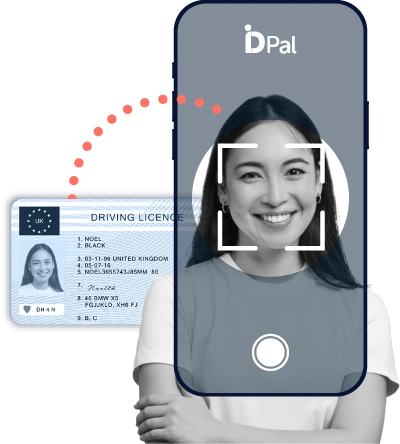
In identity verification, machine learning helps improve how systems assess documents, biometric information and customer data. For example, machine learning models can help identify potential issues with identity documents, compare facial images for verification purposes and recognise patterns that may indicate suspicious activity. When combined with configurable AML rules and human oversight, machine learning can help firms create faster, more consistent verification processes while maintaining control over compliance decisions.