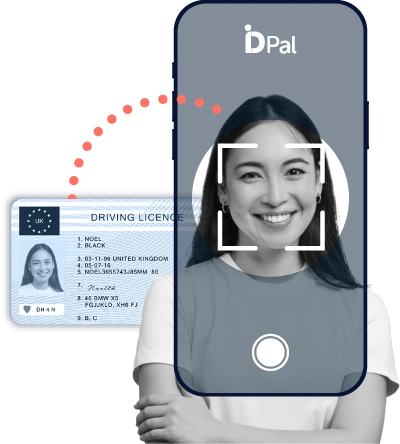
NFC (Near Field Communication) is a technology that allows a device to securely read information stored on an NFC-enabled identity document, such as the chip inside a passport or national ID card.
In identity verification, NFC is used to read the embedded chip found in many modern identity documents, including passports, national identity cards and some driving licences.
These chips contain digitally stored information that can include the document holder’s details, photograph and other security information that is used to verify the authenticity of the document.
Unlike simply scanning the information printed on the document, NFC allows a verification system to communicate directly with the document’s chip. This means the system can check the digital information stored within the document and compare it against the information provided by the customer.
For example, when a customer completes an identity check, they can use their smartphone to scan the NFC chip in their passport. The device reads the encrypted data held on the chip and sends it securely to the verification platform, where it can be assessed alongside other identity signals.
What does NFC mean for AML compliance?
In the context of AML compliance, NFC can help strengthen identity verification by providing access to digitally stored document data, helping confirm that an identity document is genuine and has not been altered.
When combined with other verification methods, NFC can support stronger customer due diligence by helping teams:
- Verify identity documents directly from the embedded chip data
- Reduce reliance on manual document reviews Improve confidence in the authenticity of customer information
- Create a clearer audit trail for verification decisions
- Support a more consistent approach to identity checks across customers and markets
This can help firms strengthen their identity verification processes by:
- Improving confidence that an identity document is genuine and has not been altered
- Reducing the risk of fraudulent documents being accepted during onboarding
- Supporting stronger customer due diligence checks
- Creating a more consistent verification process across customers
- Reducing manual document reviews for compliance teams
NFC is particularly useful when combined with other verification methods, such as document authentication, biometric checks and AML screening. Together, these checks provide a more complete view of whether a customer is who they claim to be, while helping compliance teams maintain a clear record of how verification decisions were made.