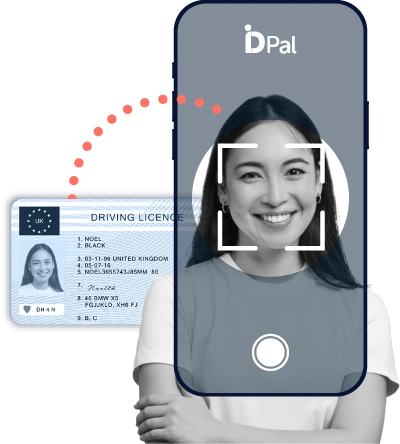
Digital identity wallets are digital tools that let people store and share verified information about their identity. This can include details such as a name, date of birth, address, identity documents or other credentials, which can then be shared with a business when needed.
Instead of providing the same personal information from scratch every time they sign up for a service, a customer can use a digital identity wallet to share verified credentials directly. The business can then use that information as part of its customer onboarding and identity verification process.
Why do digital identity wallets matter for AML compliance?
Digital identity wallets can help businesses collect and verify customer information during onboarding. They can provide access to verified identity attributes and give customers greater control over what information they share. For AML teams, this can support customer due diligence by making it easier to establish and verify a customer’s identity. It can also reduce reliance on documents or information that customers manually submit, which can be altered, incomplete or difficult to verify. A digital identity wallet does not remove the need for AML checks. Businesses still need to assess customer risk and carry out the checks required under their AML obligations.
How do digital identity wallets work?
A digital identity wallet stores digital credentials that have been issued or verified by a trusted organisation. When a customer needs to prove something about their identity, they can share the relevant credential with a business.
The business can then check the credential and use the verified information within its onboarding or compliance processes. Depending on the wallet and identity framework being used, customers may also be able to share specific attributes without providing all of their personal information.
What do digital identity wallets mean for fraud prevention?
Digital identity wallets can give fraud prevention teams access to identity information that has already been verified by a trusted source. This can make it harder for fraudsters to rely on altered documents or fabricated identity details during onboarding. They can also help create a clearer link between an individual and the credentials being presented. However, a verified credential does not automatically mean that the person using it is genuine or that their activity is legitimate. Businesses still need controls for detecting identity fraud, account takeover and other forms of financial crime.
Digital identity wallets and customer due diligence
For AML compliance, digital identity wallets can form part of a wider customer due diligence process. The information they provide can help businesses verify identity and establish a customer’s profile before deciding what level of monitoring is appropriate. The value comes from combining verified identity information with ongoing risk assessment. A customer’s risk profile can change after onboarding, so identity verification should sit alongside ongoing monitoring and other AML controls.
Why digital identity wallets matter
Digital identity wallets give customers a way to store and share verified identity information digitally, while giving businesses another source of trusted data for identity verification and customer due diligence. For AML and fraud teams, they can make parts of the onboarding process easier to verify and harder to manipulate. They are best viewed as one part of a broader identity, fraud and AML control framework rather than a replacement for those checks.
Is your business ready for digital identity wallets?