

As part of the KYB (Know Your Business) process, identifying and verifying company directors or Ultimate Beneficial Owners is an important step. Conducting a company director check is an essential part of due diligence when dealing with businesses or considering partnerships.
KYB aims to identify the beneficial owners of a business entity to assess the risks associated with a potential business relationship. Company directors play a crucial role in shaping a company’s direction, policies, and decision-making. Knowing who the directors are provides valuable insight into the individuals responsible for the company’s operations, strategic direction, and potential financial crime risk.
What is a company director check?
A company director check for AML compliance is the process of verifying and assessing the individuals who serve as directors of a company to ensure they are not involved in money laundering or other financial crime. This forms part of broader due diligence procedures used by businesses and financial institutions to comply with AML regulations. The purpose is to identify and mitigate risks associated with directors being involved in fraud, money laundering, or other illicit financial activity.
How to conduct a company director check
This checklist outlines a standard process for conducting a comprehensive company director check as part of your KYB process.
- Gather company information:
- Obtain the full legal name and registration number of the company.
- Collect any relevant documentation related to the company’s ownership structure.
- Identify registered shareholders and directors:
- Gather information about the registered shareholders and directors of the company.
- Verify their identities through official documents such as passports or national ID cards.
- Determine percentage ownership:
- Find out the percentage of shares held by each registered shareholder.
- Calculate the ownership structure to identify significant shareholders.
- Identify Ultimate Beneficial Owner(s):
- Determine the individual or individuals who ultimately own or control a significant portion of the company, usually 25% or more.
- Where ownership is complex, trace it through each layer to identify the ultimate controlling person or entity.
- Verify director and UBO identities:
- Collect identification documents for each director and UBO.
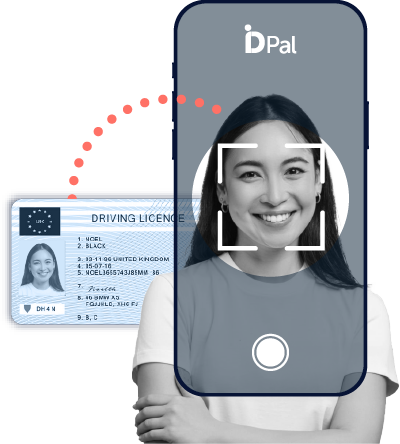
- Verify identities using official records and credible technology or data sources.
- Check for PEPs and sanctions:
- Screen directors and UBOs against Politically Exposed Persons (PEPs) lists and international sanctions lists.
- Assess UBO background and reputation:
- Research the UBO’s reputation, business history, and any harmful media coverage.
- Analyse source of wealth:
- Understand the source of wealth of the director or UBO.
- Look for any indicators of illicit activity or suspicious financial behaviour.
- Review corporate structure:
- Assess the company’s organisational chart and ownership relationships.
- Examine director or UBO affiliations and associations:
- Identify connections to illicit or high-risk activity, or senior roles in other entities, especially in high-risk jurisdictions.
- Check for beneficial ownership disclosure requirements:
- Confirm whether the company complies with disclosure requirements in the relevant jurisdiction.
- Assess the director or UBO’s influence on decision-making:
- Understand the extent of their involvement in key company decisions and control.
- Evaluate potential risks:
- Assess the risks associated with the business relationship based on the results of the check.
- Consider exposure to money laundering, terrorist financing, reputational damage, and regulatory non-compliance.
- Document the check process:
- Keep clear, well-structured records of the process and findings for audit and compliance purposes.
- Continuous monitoring:
- Ownership and control information can change over time, so ongoing monitoring should be built in to identify changes early.
- Scheduled reviews and remediation:
- Review and update director and UBO data at intervals aligned to the entity’s risk profile, taking account of new information, regulatory change, or emerging risks.
Why are these checks important?
Understanding the background and reputation of company directors is essential when assessing the overall risk associated with a business. Directors with a history of fraud, misconduct, or unethical behaviour may indicate heightened risk in the relationship.
Thorough director checks help businesses avoid engaging with individuals linked to criminal or illicit activity. Identifying high-risk individuals early in onboarding can reduce the risk of financial loss, reputational damage, and legal consequences.
The financial health and credibility of a business are often influenced by the competence and integrity of its directors. Reviewing the track record and financial standing of those in control can provide useful insight into the company’s stability. Verifying identity and background also helps prevent identity fraud and protects against scams.
Different jurisdictions impose different rules on company directors, including eligibility criteria and disqualifications. Conducting director checks helps businesses comply with those legal and regulatory requirements.
Director and UBO checks should always align with applicable laws, internal policy, and industry best practice. Where ownership structures are complex or information is difficult to obtain, professional or legal support may be necessary to complete a robust KYB process.