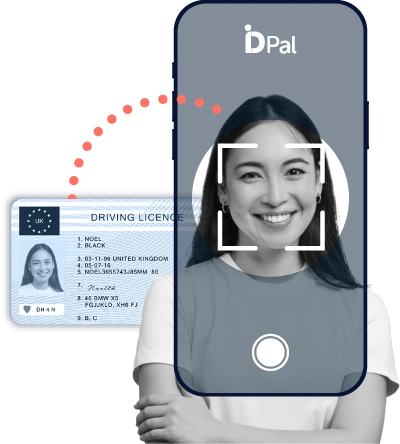


If you’re responsible for AML compliance in a UK business, identity verification sits right at the centre of your onboarding process. It’s the point where compliance, risk management, and customer experience all meet. Get it right and you build trust quickly while meeting regulatory obligations. Get it wrong and you slow onboarding, frustrate legitimate customers, and expose the business to financial crime risk.
Remote onboarding has become the standard approach across financial services, legal firms, accountancy practices, and many other regulated sectors. Clients expect to verify their identity without visiting an office or sending physical documents. At the same time, regulators expect firms to carry out strong checks, maintain clear audit trails, and demonstrate that their controls stand up to scrutiny.
This guide brings together the key ideas behind remote identity verification and what they mean for your day-to-day compliance work. It covers how identity checks support AML requirements, what makes a remote verification process effective, and how you can keep onboarding smooth while still maintaining strong safeguards.
Table of contents
▸ What is identity verification?
▸ What is KYC identification?
▸ Why KYC identity verification matters for AML and fraud prevention
▸ Setting the standard: What regulators expect
▸ The process of ID verification in the UK
▸ The cost of getting identity verification wrong
▸ Balancing identity verification with customer experience
▸ Identity verification FAQs
What is identity verification?
Identity verification is a process used to confirm the identity of an individual or entity to ensure that they are who they claim to be. It is crucial in various contexts, such as online transactions, financial services, customer onboarding, and compliance with regulations.
The importance of identity verification lies in its ability to mitigate risks associated with fraud, identity theft, money laundering, and other illegal activities. By verifying identities, businesses and organisations can establish trust with their customers, prevent unauthorised access to sensitive information or services, and comply with legal and regulatory requirements. There are several types of identity verification methods, covered later in the article.
Identity verification plays a vital role in compliance with regulations, especially in industries such as finance, healthcare, and e-commerce. Regulations such as Know Your Customer (KYC) and Anti-Money Laundering (AML) rules require businesses to verify the identities of their customers to prevent fraudulent activities and ensure legal compliance. Failure to comply with these regulations can result in severe penalties, reputation damage, and legal consequences.
Secure and scalable identity verification in 250+ jurisdictions worldwide
What is KYC identification?
KYC stands for Know Your Customer. KYC identity verification is the process of confirming the identity of customers to meet regulatory requirements. It is widely used across sectors such as banking, financial services and fintech to verify who a business is dealing with before establishing a relationship.
The main aim of KYC identity verification is to reduce the risk of illegal activity, including money laundering, terrorist financing, fraud and identity theft. The process involves collecting and validating customer information, assessing risk and monitoring activity where necessary.
Several methods are commonly used in KYC identity verification:
- Document verification confirms the authenticity of identification documents such as passports, driving licences or ID cards by checking security features and consistency of information.
- Biometric verification uses physical characteristics such as facial recognition or fingerprints to match the individual to their identification.
- Address verification confirms a customer’s residential or business address using documents such as utility bills or bank statements.
- Database checks compare customer information against sources such as sanctions lists, watchlists or credit databases to identify potential risks.
- Electronic identity verification (eIDV) allows businesses to confirm identity details through trusted digital records or government databases.
- Customer Due Diligence (CDD) also forms part of the process, helping businesses assess the customer’s background, risk profile and purpose of the relationship.
In practice, firms usually combine several verification methods to build a reliable KYC process that supports compliance and reduces exposure to financial crime.
Why KYC identity verification matters for AML and fraud prevention
KYC identity verification plays an important role in meeting regulatory obligations, particularly in sectors such as banking, finance and e-commerce. By identifying and verifying customers, businesses reduce the risk of money laundering and terrorist financing. Verifying identities, confirming the source of funds and carrying out customer due diligence also helps firms detect and report suspicious activity. Regulatory requirements can place pressure on businesses. Compliance processes often add operational cost, extend onboarding times and require significant staff resources. When identity checks are slow or repetitive, they can also create frustration for customers moving through the onboarding process.
The scale of financial crime highlights why these checks matter. Money laundering represents a major cost to the UK economy. Fraud against individuals and business is the largest crime type in the UK and, in data published in the UK Government Fraud Strategy 2026 – 2029, cost the economy an estimated £14.4 billion in 2023–2024.
Identity verification also helps prevent fraud and identity theft by confirming that individuals or organisations are who they claim to be. This lowers the risk of fraudulent transactions or unauthorised access to sensitive information, while helping regulated firms meet legal requirements and avoid penalties or reputational damage.
At the same time, fraud methods continue to change. Synthetic identities, forged documents and account takeovers remain common tactics. Identity verification systems help detect inconsistencies by analysing document authenticity, cross-checking customer information against trusted databases and flagging irregularities that may indicate fraudulent activity.
Screening customers against PEP, sanctions and adverse media lists adds another layer of protection, while ongoing monitoring helps identify risk changes after onboarding. By gathering and analysing this information, businesses can assess customer risk levels and make informed decisions about onboarding and risk management.
Money laundering remains a significant issue for the UK, and criminals rely on legitimate businesses to move illicit funds. For that reason, the UK maintains strict AML regulations, with serious consequences for firms that fail to meet compliance requirements.
Setting the standard: What regulators expect
The Financial Conduct Authority (FCA) expects firms to have strong identity verification procedures in place. The UK’s Money Laundering Regulations require firms to verify customers effectively, using a risk-based approach. This means adopting verification measures proportionate to the risk level of the transaction or customer.
“The relevant person must – (a)identify the customer unless the identity of that customer is known to, and has been verified by, the relevant person; (b)verify the customer’s identity unless the customer’s identity has already been verified by the relevant person; and (c)assess, and where appropriate obtain information on, the purpose and intended nature of the business relationship or occasional transaction.”
– The Money Laundering, Terrorist Financing and Transfer of Funds (Information on the Payer) Regulations 2017
Firms also need to be mindful of evolving guidance from the Joint Money Laundering Steering Group (JMLSG) and updates from the UK government on financial crime prevention. Staying compliant means keeping pace with regulatory developments and implementing solutions that meet evolving expectations.
The process of ID verification in the UK
In the United Kingdom, the process of ID verification typically involves the following steps:
- Document submission: The customer is required to provide certain identification documents, such as a passport, driver’s licence, or national ID card. These documents serve as proof of identity and are used for verification purposes.
- Document validation: The submitted documents are checked for authenticity and validity. This includes verifying security features, examining document expiration dates, and ensuring consistency of information.
- Facial recognition: In some cases, facial recognition technology may be utilised to match the customer’s face with the photo on their identification document. This adds an extra layer of verification and helps confirm the customer’s identity.
- Address verification: Proof of address is often required for ID verification. Documents such as utility bills, bank statements, or government-issued letters can be used to verify the customer’s residential or business address.
- Database checks: Identity verification providers may conduct checks against various databases to identify any red flags or potential risks associated with the customer. This includes checking government watchlists, sanction lists, and other relevant databases.
The specific documents required for identity verification may vary depending on the service provider and the level of verification required. However, common documents typically include:
- Valid passport: A passport is widely accepted as a primary identification document due to its high level of security and international recognition.
- Driving licence: A government-issued driver’s licence with a photograph is often used as a form of identification.
- National identity card: Some countries issue national identity cards that can serve as a valid identification document.
- Proof of address: Documents such as utility bills, bank statements, or government-issued letters that display the customer’s name and current address can be used to verify their residential or business address.
The cost of getting identity verification wrong
A weak verification process isn’t just an operational headache; it is also a compliance risk. Regulators have shown they are willing to act against firms that fail to implement proper controls. Failing to verify customers correctly can lead to financial penalties, and reputational damage. To boot, losing customer trust due to fraud or security breaches can also have long-term consequences.
Remote verification is a balancing act, but it’s one that firms can get right with the right approach and build a verification process that is secure, compliant, and user-friendly.
Importantly, the key is to stay adaptable. As fraud tactics evolve and regulatory requirements shift, firms that continuously refine their approach will be in the best position to grow securely and keep financial crime at bay.
Balancing identity verification with customer experience
Many assume that successful onboarding requires a completely friction-free process where identity verification is almost invisible and very little customer data is collected. In reality, that isn’t how most users think. When accessing financial services, people expect a certain level of verification and due diligence. Handing over personal information naturally comes with some security checks. What customers want is a process that feels straightforward and only requires them to enter their details once.
Problems arise when verification systems create unnecessary repetition. Many remote identity verification journeys require users to attempt verification multiple times before completion. Customers become frustrated when they have to re-enter data, upload documents again, or repeat selfie or video checks after failed submissions. Once data has been collected, firms must still check it against multiple datasets to confirm identity and assess risk. When these checks rely on manual processes, onboarding slows down and customers often abandon the process. Automated, API-driven verification systems help solve this by validating customer data against several sources in real time.
Customer expectations have also changed significantly. Clients now expect instant online access to services through their mobile devices at any time. FinTech companies and digital-first providers have raised expectations for fast and seamless onboarding, pushing traditional firms to improve their digital services to remain competitive. The shift towards remote and mobile services has accelerated in recent years, and customers now have little patience for poor digital experiences.
At the same time, users remain concerned about how their personal information is handled. Customers want a smooth digital onboarding experience, but they also want confidence that their identity data will be stored securely and protected from misuse. For regulated businesses, the challenge is delivering verification processes that provide strong security controls while keeping onboarding simple for legitimate customers.
A verification process that feels slow or complicated leads to customer drop-off and lost revenue. Yet a process that is too lenient creates exposure to fraud and regulatory risk. The most effective approach combines several verification methods, including identity document checks, biometric verification and trusted data sources. Automation allows these checks to run quickly while reducing manual workload, helping firms maintain security standards without creating unnecessary barriers for customers.
Identity verification FAQs
What is identity verification in AML compliance?
Identity verification is the process of confirming that a customer is who they claim to be before a business relationship begins. In regulated sectors, this forms part of customer due diligence under anti-money laundering regulations. Firms collect and verify personal information using documents, biometric checks and trusted data sources to confirm identity and assess potential risk.
How does identity verification support KYC requirements?
Identity verification sits at the core of Know Your Customer (KYC) procedures. It allows businesses to confirm the identity of individuals or organisations they plan to work with. Once identity is verified, firms can carry out additional checks such as sanctions screening, politically exposed person checks and risk assessments to meet AML obligations.
What methods are commonly used for KYC identity verification?
Most firms use a combination of verification methods: document verification, biometric checks such as facial recognition, address verification using official documents, and database screening against sanctions lists or other trusted records. Using several methods together provides stronger assurance.
What is remote identity verification?
Remote identity verification allows customers to confirm their identity online without attending an office or submitting physical documents. Customers can upload identification documents and complete biometric checks using their phone or computer. The system then verifies the information against trusted data sources to confirm identity and assess risk.
Why is identity verification important for preventing fraud and money laundering?
Identity verification helps prevent criminals from using false identities, stolen documents or synthetic profiles to access financial services. By verifying documents, confirming biometric matches and checking customer details against relevant databases, firms can identify suspicious activity before onboarding a client.
How can firms balance compliance checks with a smooth customer onboarding process?
Customers expect identity checks when accessing regulated services, but they also expect the process to be simple. Automated verification systems help achieve this balance by validating documents, biometric data and database records in real time, reducing manual checks while supporting compliance decisions.