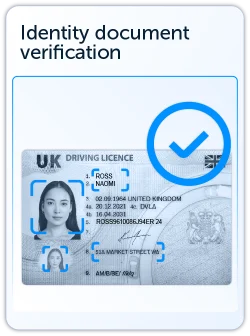






Facial matching biometrics

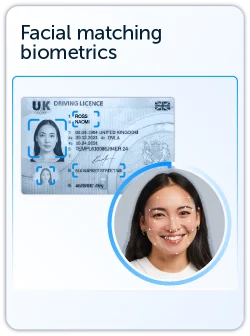
Ensure the individual completing identity verification checks is the rightful owner of the identity document, using facial matching biometrics.

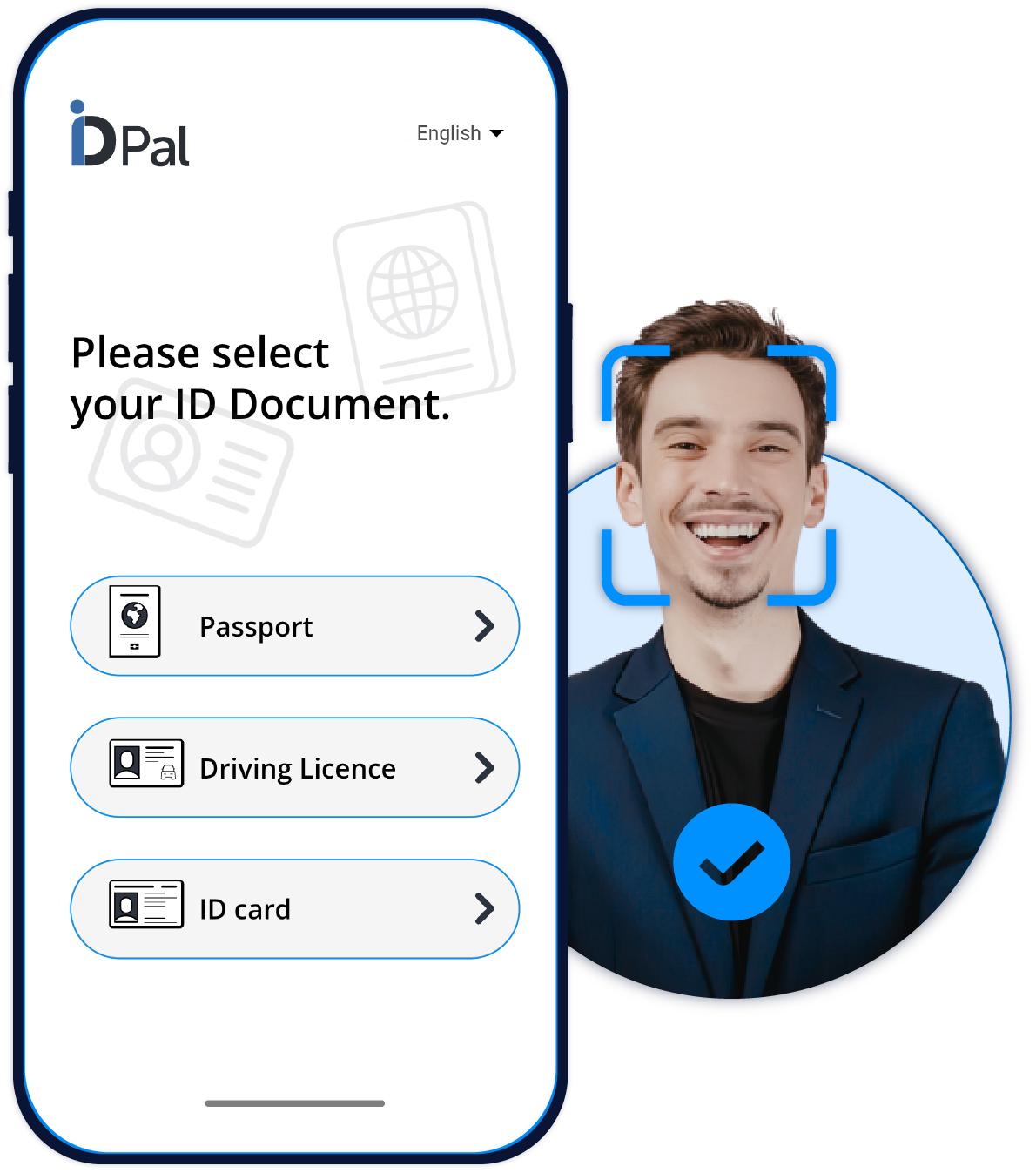
Biometric Facial Matching on Mobile by ID-Pal

Confirm identities securely and reliably

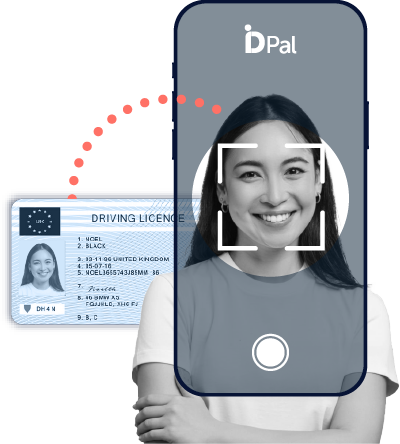
Compare a live facial capture against an identity document to confirm the person is legitimate.

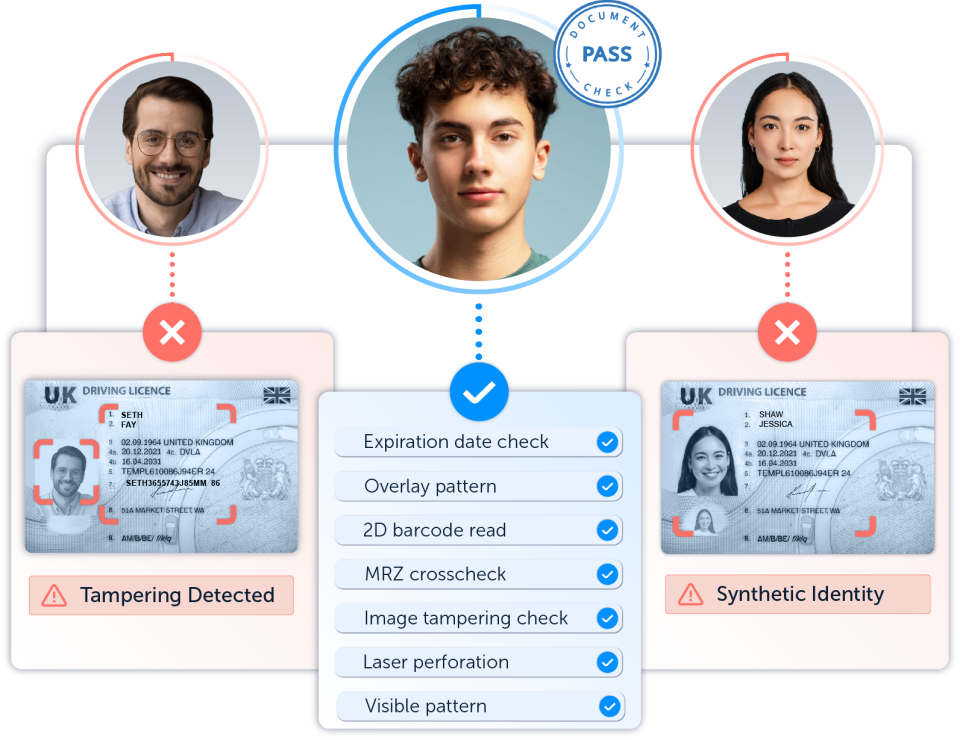
Detect deepfakes and prevent fraud

Detect impersonation attempts and prevent fraudsters and bad actors from gaining access to your business.

Speed up onboarding with less manual work

Enable secure identity verification without in-person checks, supporting reliable high-volume onboarding.

What are facial matching biometric checks?

Facial matching biometrics are a form of identity verification that compares a person’s facial features captured during verification against a trusted reference, such as a government-issued ID document or an existing biometric record.

This process uses AI to analyse and match unique facial characteristics, providing a probabilistic confidence score that the individual presenting is the legitimate owner of the identity.

Request Demo

How facial matching technology works

Real-time identity verification using facial matching technology.
Facial Matching Fail - the traditional approach on mobile

Traditional approach

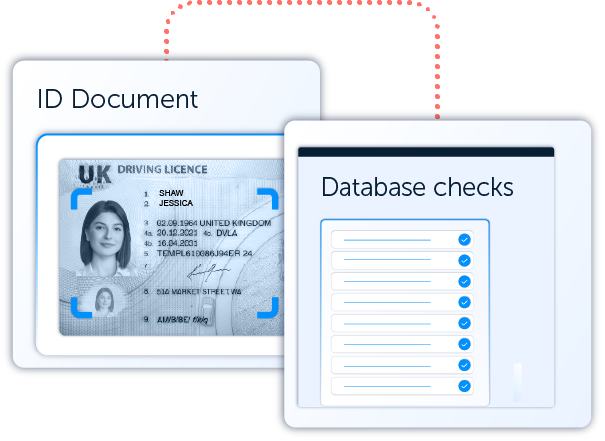
Traditional identity verification uses the “1+1” or “2+2” method where an identity is validated using one to two identity documents, against one to two databases.

Our approach

Our AI-powered ID verification software verifies the individual submitting the documents, using biometric checks like facial matching.
customer onboarding omni-channel

ID-Pal facial matching

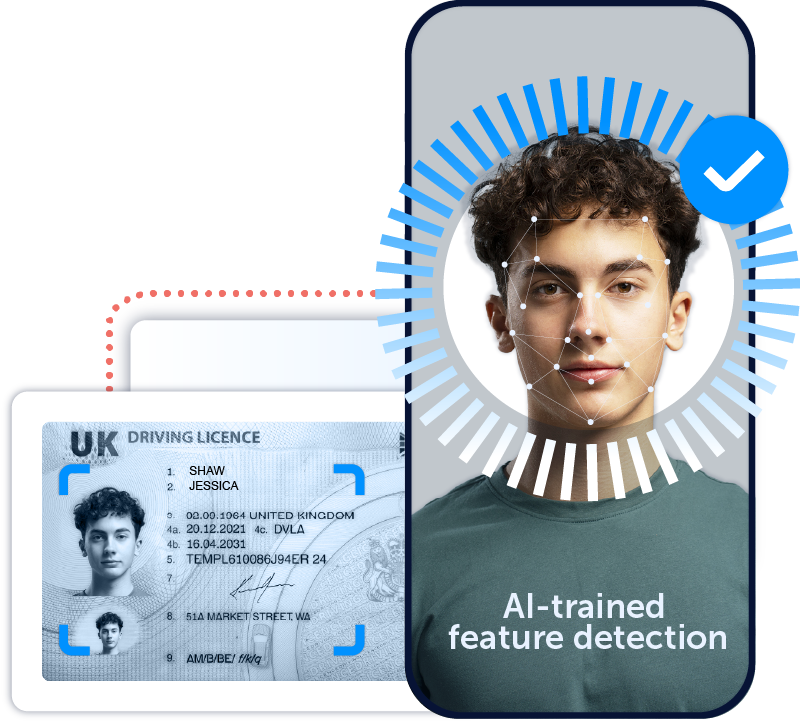
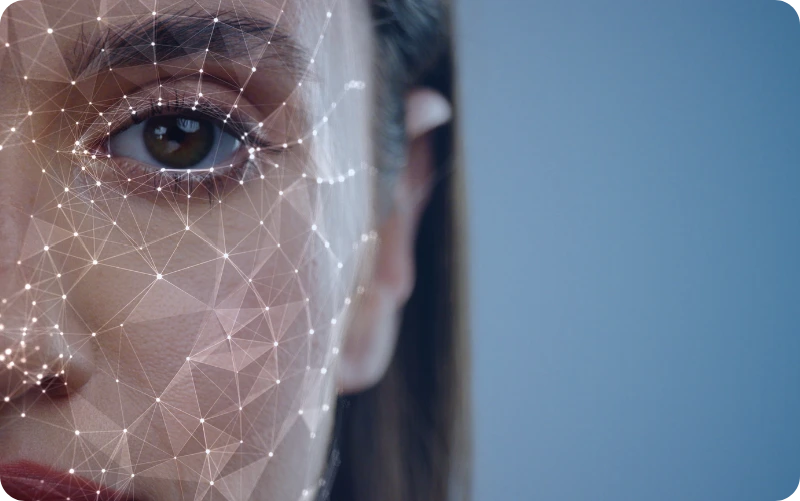
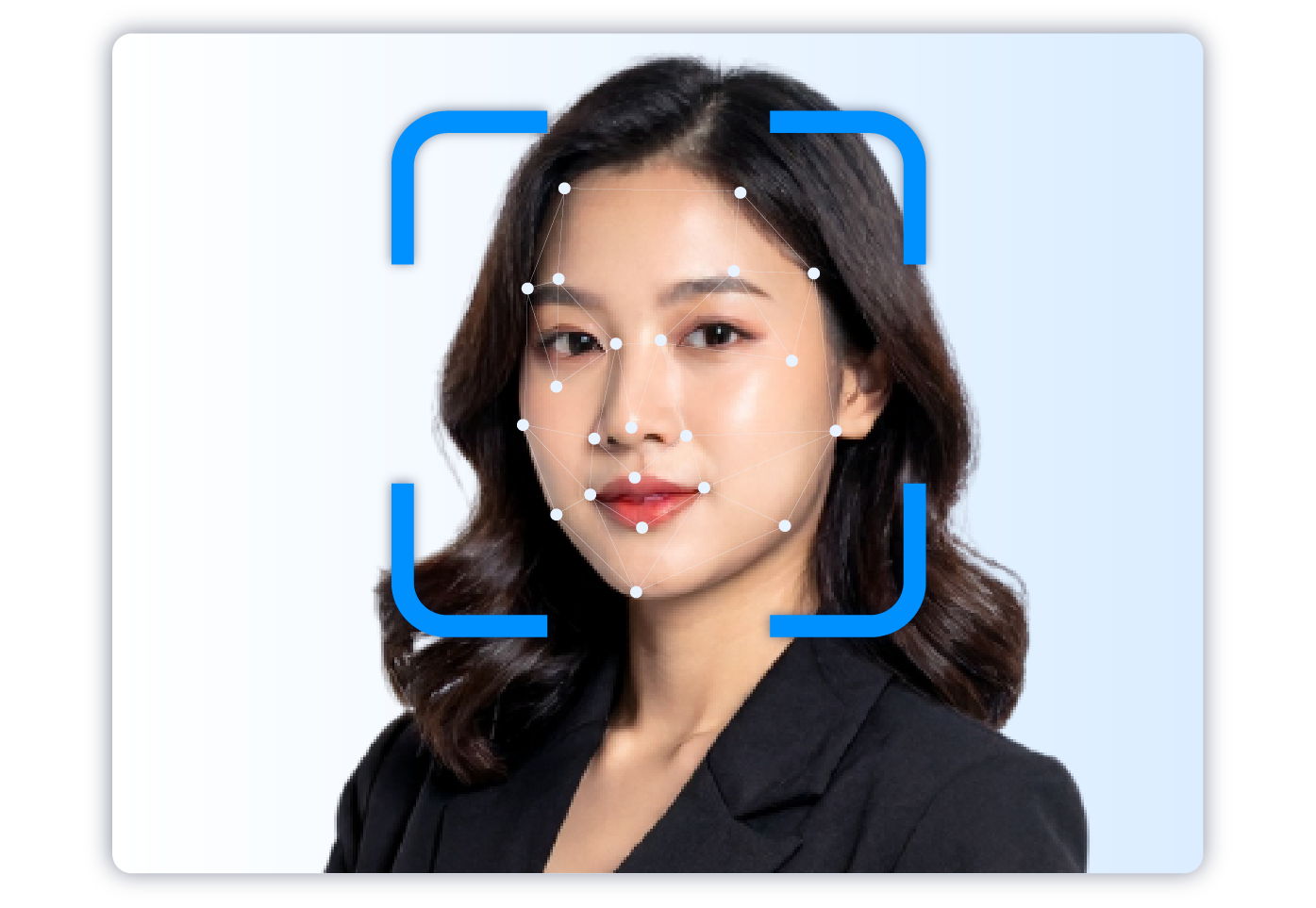
Using a 50-point comparison our technology maps in real-time the biometric features across facial images presented to confirm if they are of the same person.
0 %

Accuracy on verification results

0 +

Trusted
data sources

0 +

Identity
documents

0 +

Jurisdictions & countries

What our clients say

Where facial matching checks fit in the identity verification toolkit

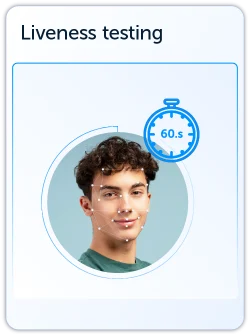
ID-Pal facial matching compares the face from an identity document to the face of the person completing the process, using information taken during liveness testing.

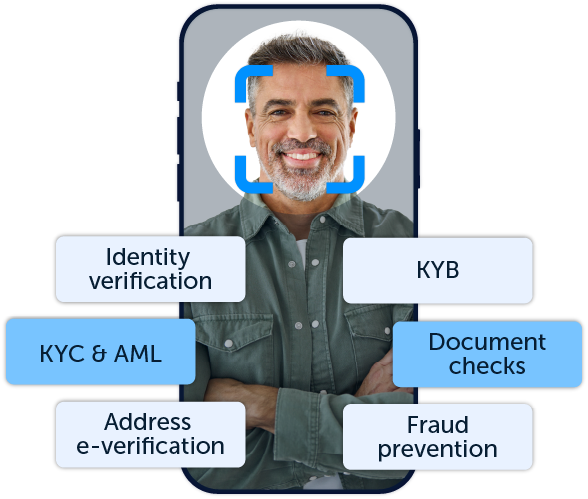
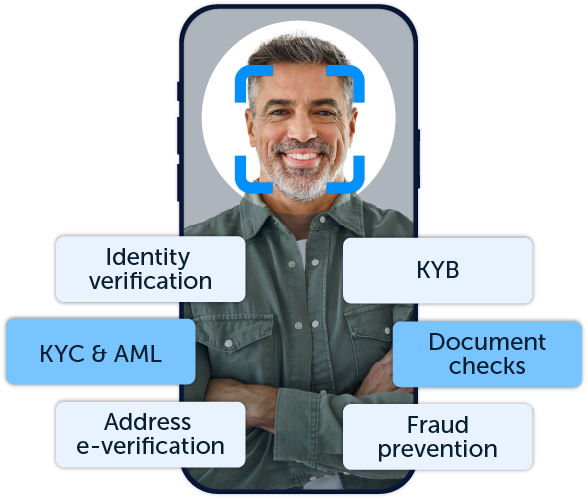
Our ID verification solution blends all our checks into one seamless, easy process.

Fully certified and industry accredited

Recommended products

Explore additional features and more identity verification solutions available.

Request a demo

Have more questions? We’re here to help! Get in touch to find out more about our identity verification solutions.

100% AI-powered

Real-time verification

Zero access to customer data

Request Demo

Frequently asked questions

What is facial matching technology?

Facial matching technology is a sophisticated biometric tool used to verify and identify individuals by comparing digital images of faces. It’s widely used in security systems, mobile authentication, and by organisations to enhance identity verification processes, ensuring high levels of accuracy and security in real-time.

ID-Pal uses this technology to confirm that the face in a submitted ID matches the person present. A 50-point biometric facial comparison maps features as part of our identity verification process.

Facial matching technology converts converts facial images into representations, often called biometric templates, based on key facial landmarks and patterns.

These templates are compared to calculate a similarity score. Decision thresholds are applied to determine whether the match is accepted, rejected, or flagged for review.

Facial matching technology significantly enhances security by providing a reliable, non-intrusive method of verifying identities. It’s highly effective in preventing unauthorised access and fraud, especially in sectors like banking, retail, and public security. By integrating facial matching into security protocols, organisations can ensure that only authenticated individuals access sensitive information or physical locations.

This technology also supports regulatory compliance efforts, helping institutions meet stringent standards set for identity verification and privacy.

Facial matching alone is insufficient for robust fraud prevention as it fails to confirm the authenticity of the identity document or that the image of the person image of the person submitting the information is a real live person

No. Facial matching compares two facial images to assess similarity. Liveness testing determines whether the facial image was captured from a real, live person at the time of verification. In identity verification workflows, they serve different purposes but are both essential elements within a secure and reliable KYC flow.

Bias in facial matching can occur if the training data used by facial matching tools lacks demographic diversity, or if thresholds are poorly configured. Reputable providers test performance across age, gender, and ethnicity groups and publish results from independent evaluations to demonstrate fairness and consistency.

ID-Pal is proud to have set a new standard for bias-free biometrics, with up to 5x less bias than the next best global solution. This means our customers can be confident that identity verification works equally well for everyone – regardless of ethnicity, gender, and age groups. 

More platform technologies

Discover more of ID-Pal’s technologies for identity verification and AML screening.

Find out how we can help your business grow